My walk into the Tibetan area of Chengdu.
This is a true story and the article was sent to ‘The Byron Shire Echo newspaper’ on 23rd July 2026. It may be published on the 29th.
I have included my chat with DeepSeek Ai tool.
Videos should appear on YouTube.
26 days in China.
June 2026.
A few days in Shenzhen, the world’s electronics capital, from flying cars to left-handed screwdrivers.
Then eight hours at 300 kilometres per hour, “go West young man”, bullet train to Chengdu.
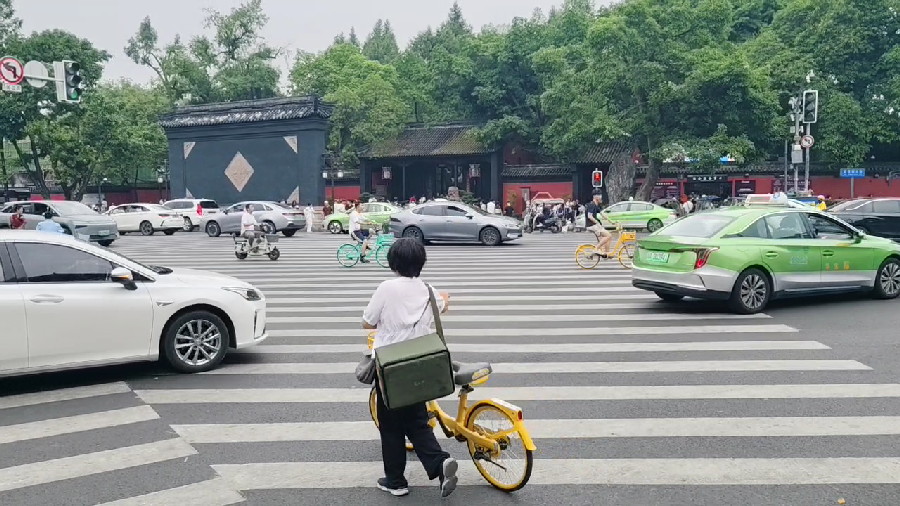
Chengdu city, modern, thoughtfully laid out, its population in harmony with modern China.
The 71-metre Giant Buddha and the 2,500-year-old Dujiangyan water system, unbelievable sights, tangible, like walking on the moon six times.
Wenwengshishi Railway took me into the Tibetan area.
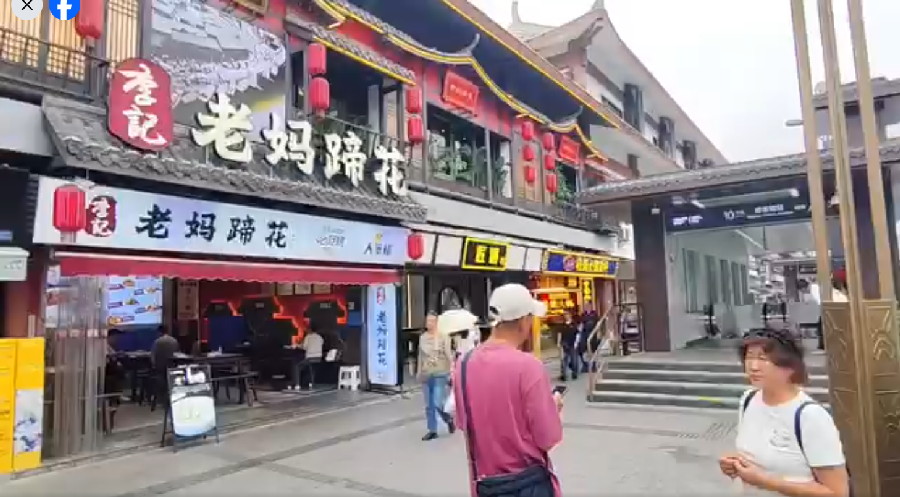
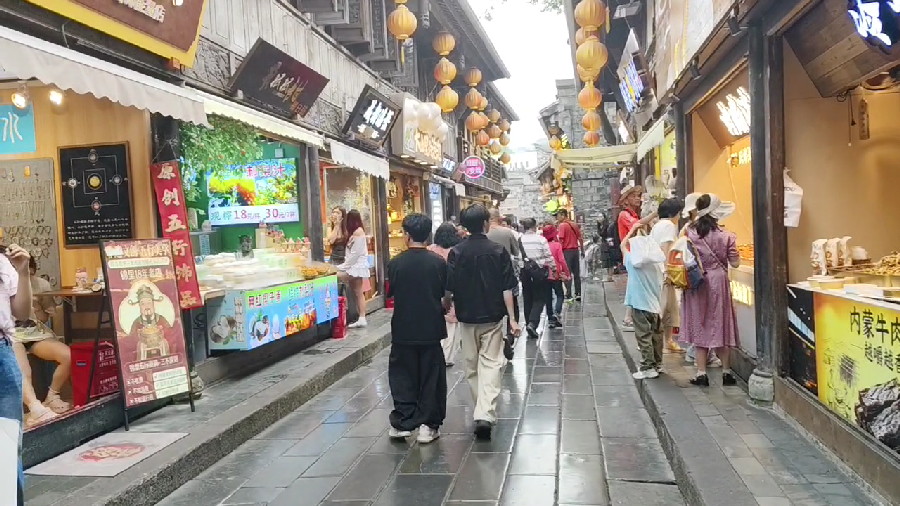
Crawling with tourists with a little speaker strapped to their head so the tour guide can round them up – true.
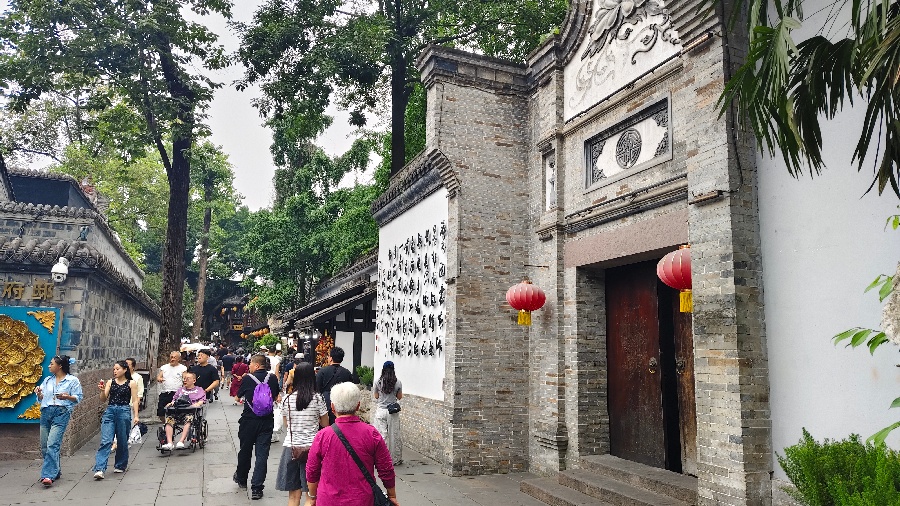
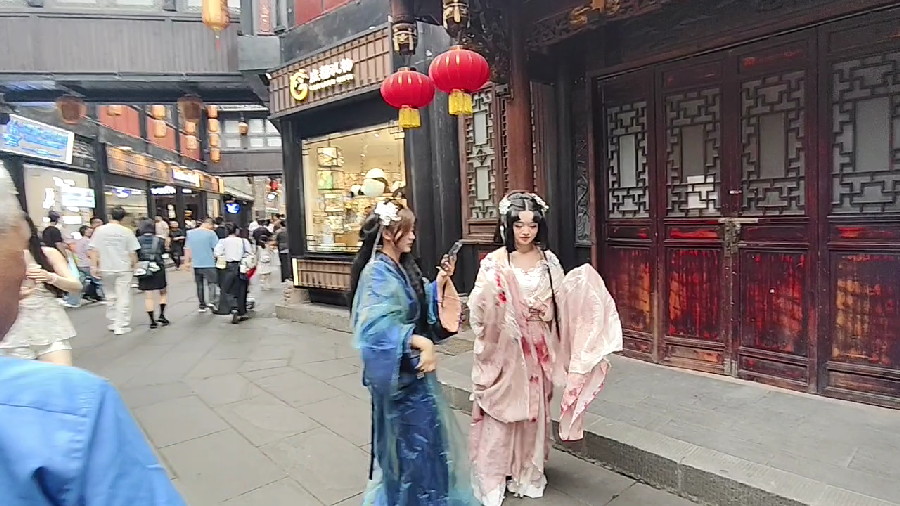
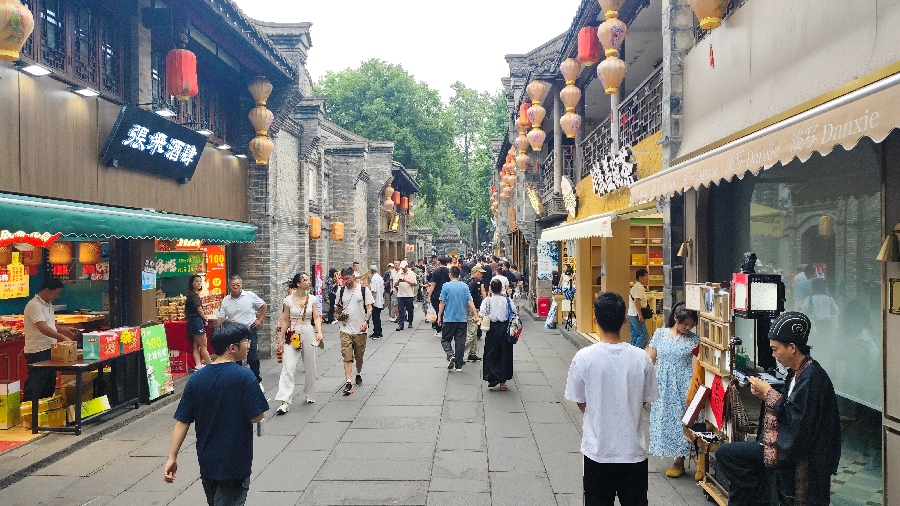
The tourist area is beautiful, different clans in traditional dress – I remembered our young Mullum brides in petticoats and gumboots.
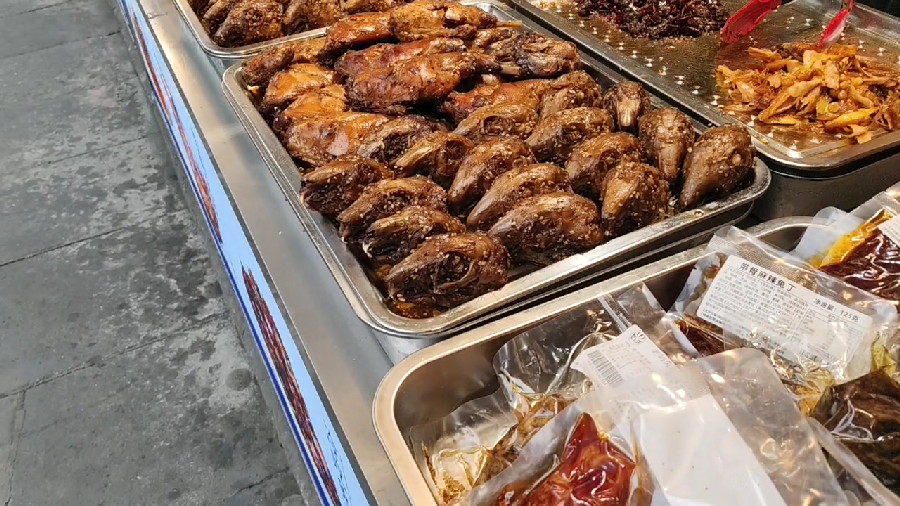
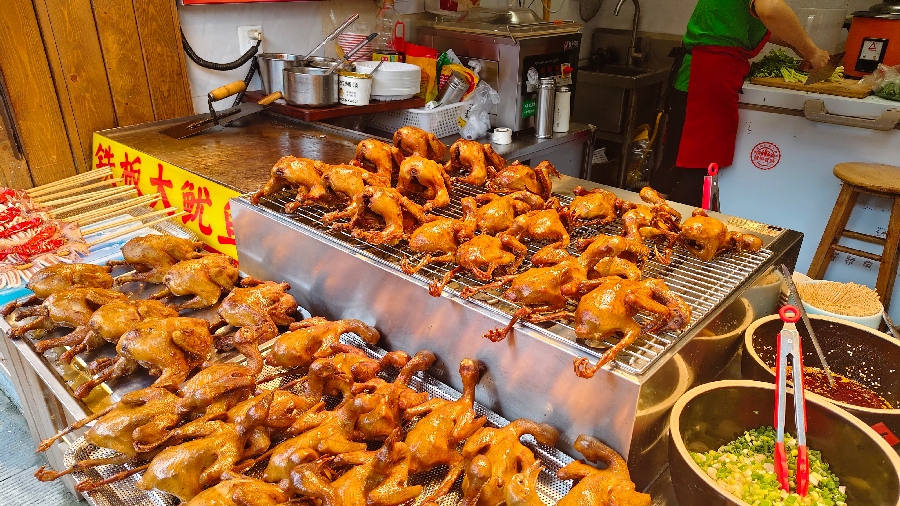
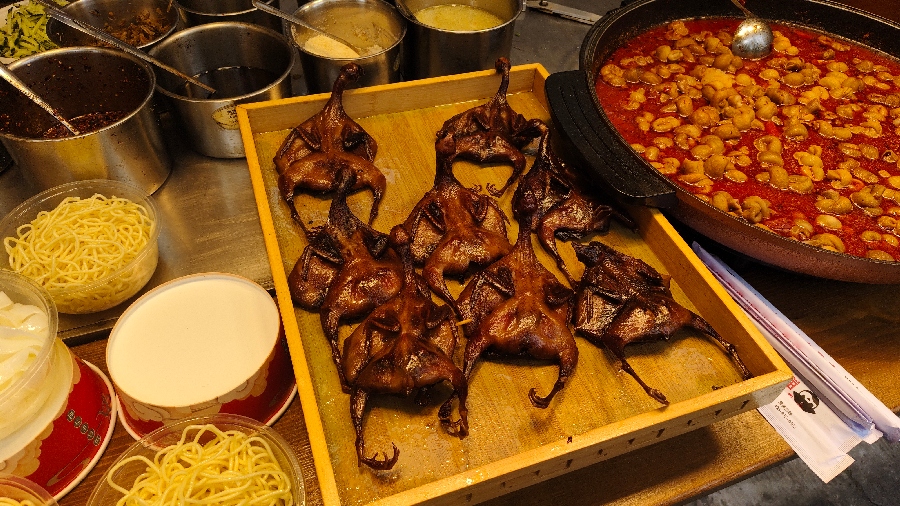
There was endless yummy food and tribal food like baked rabbit heads.
I had to drag myself out, in fear of being arrested by the thought police.
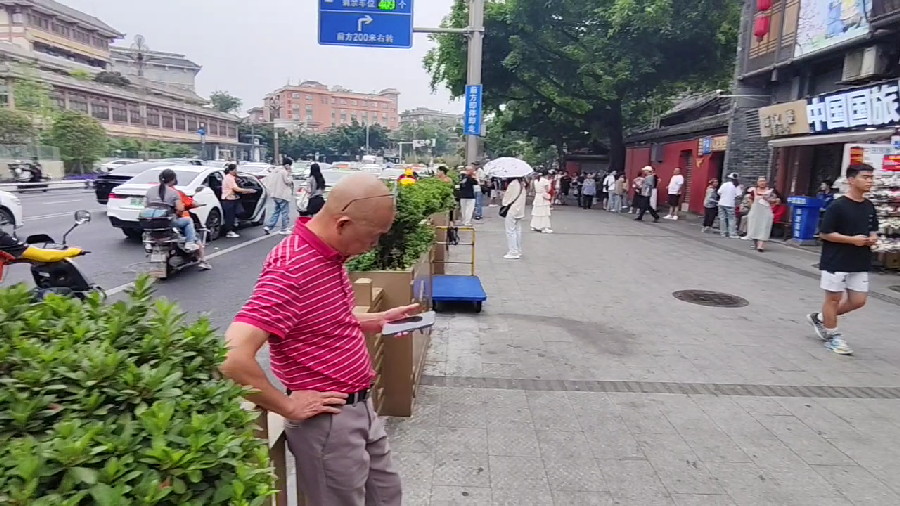
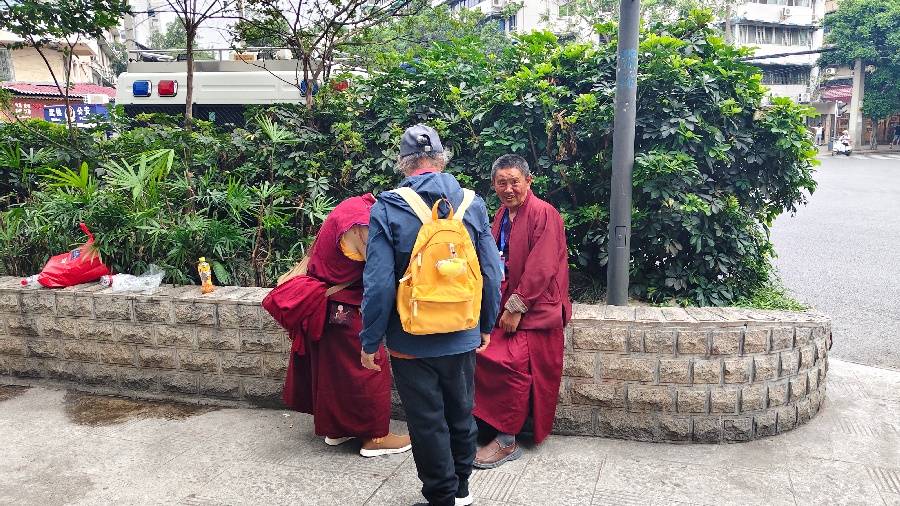
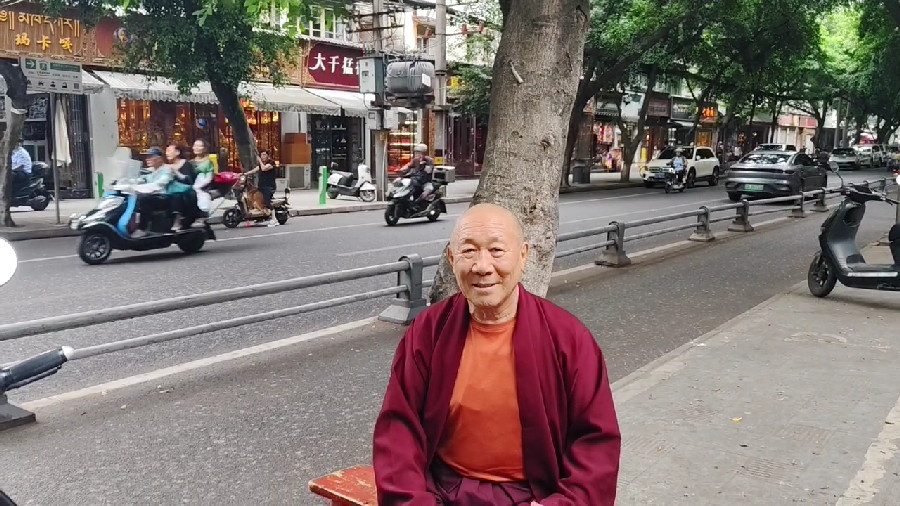
Across the road, a different story, a no-go zone. No tourists. Just me. The coin flipped, from carnival to somber. I was warned never to go at night.
Tibetans are not all meditating monks. With beer, knife fights can happen.
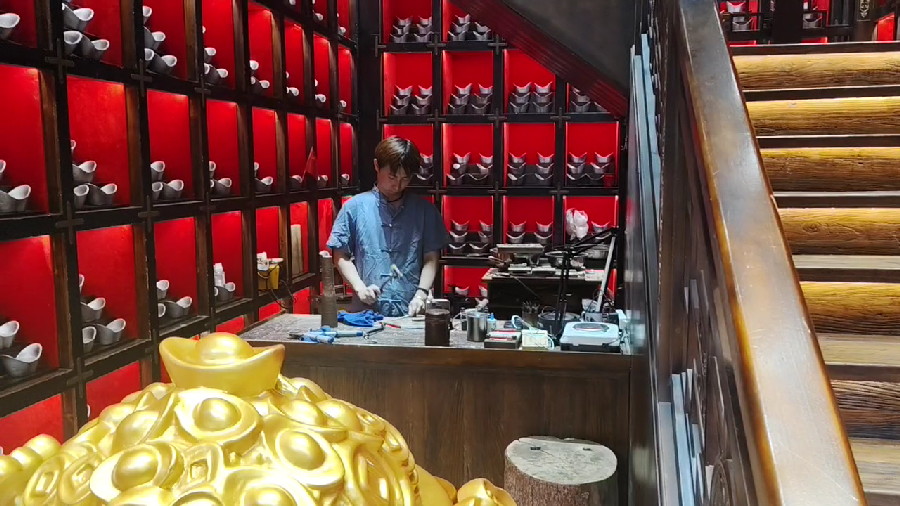
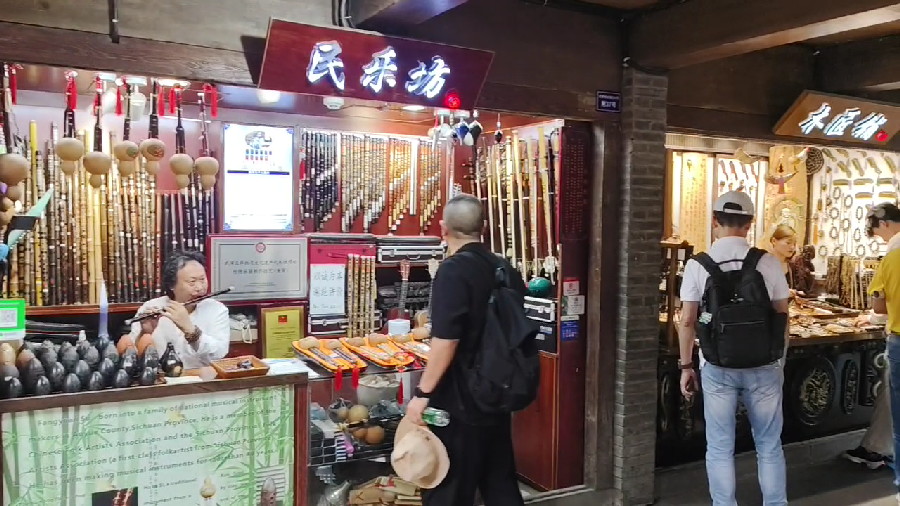
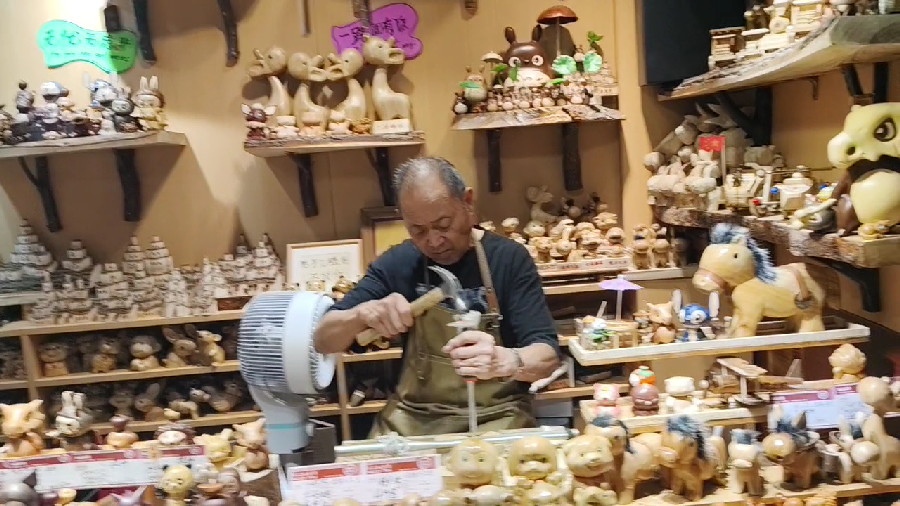
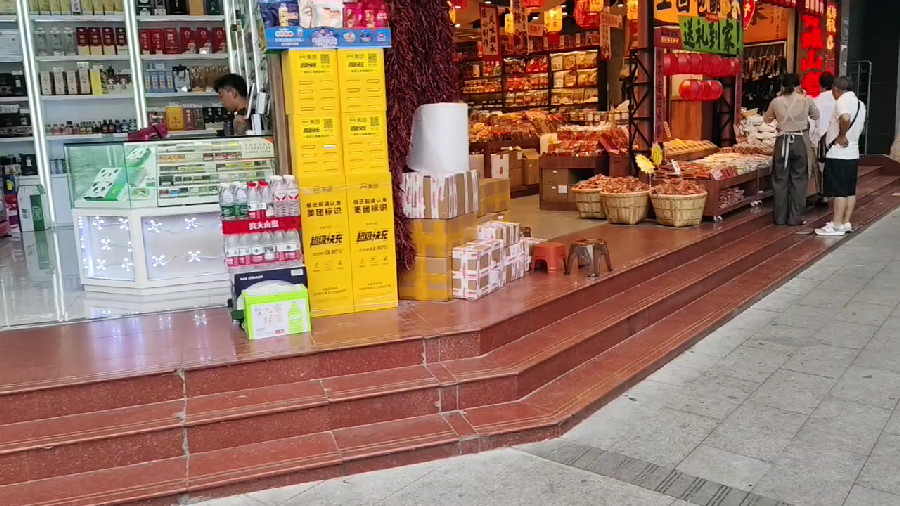
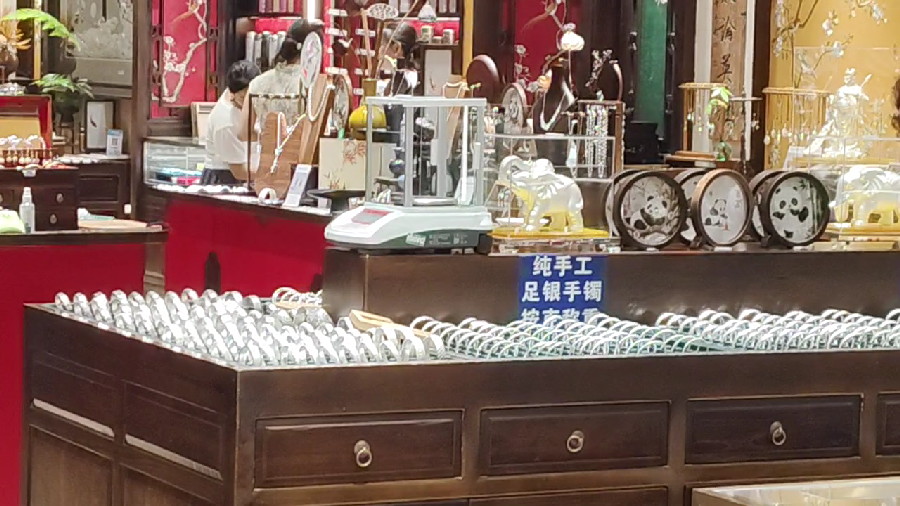
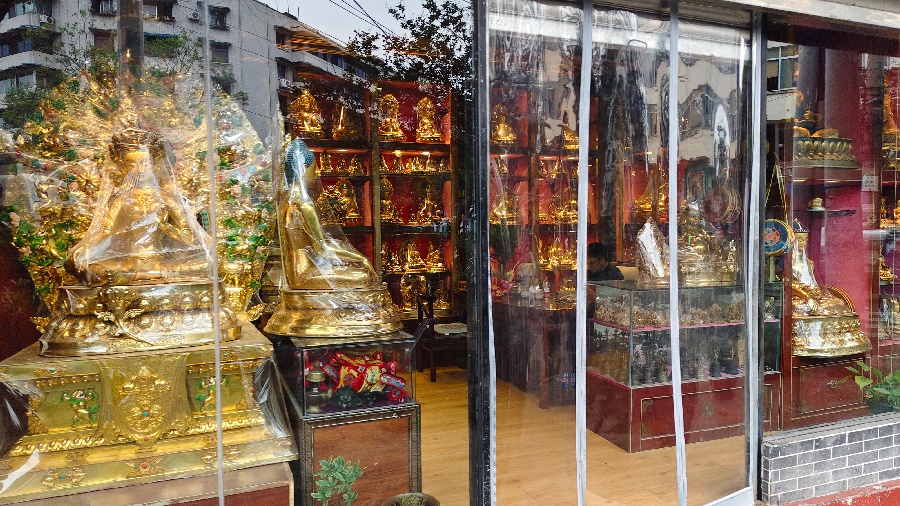
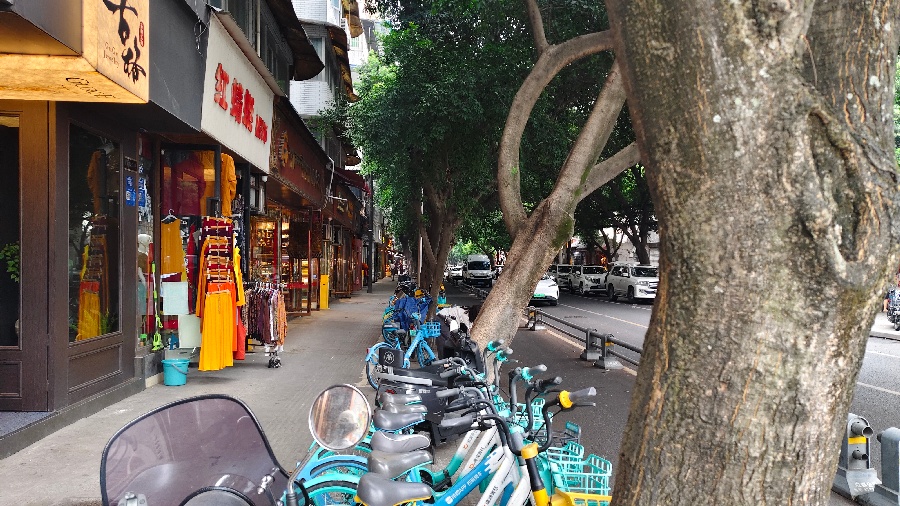
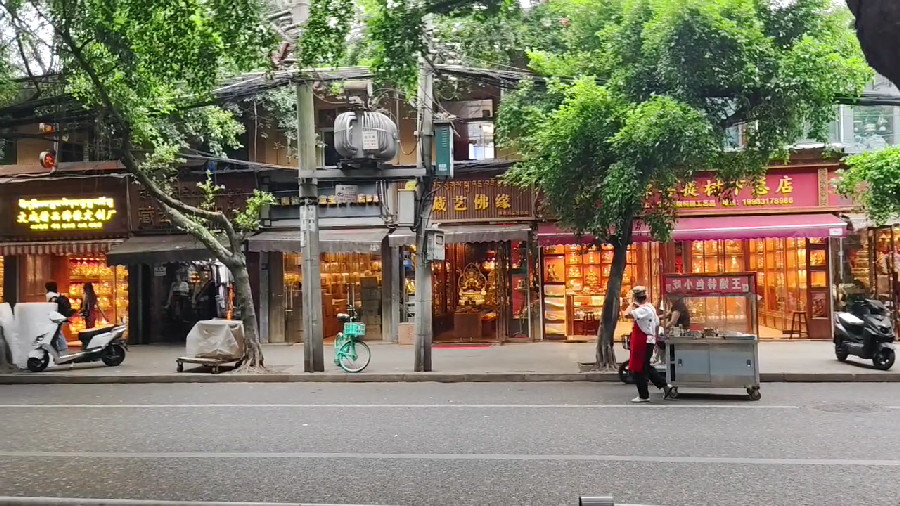
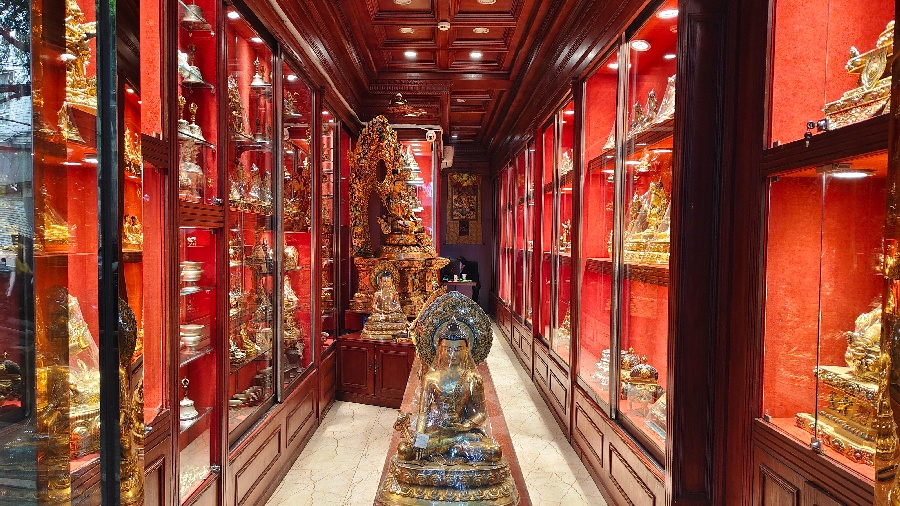
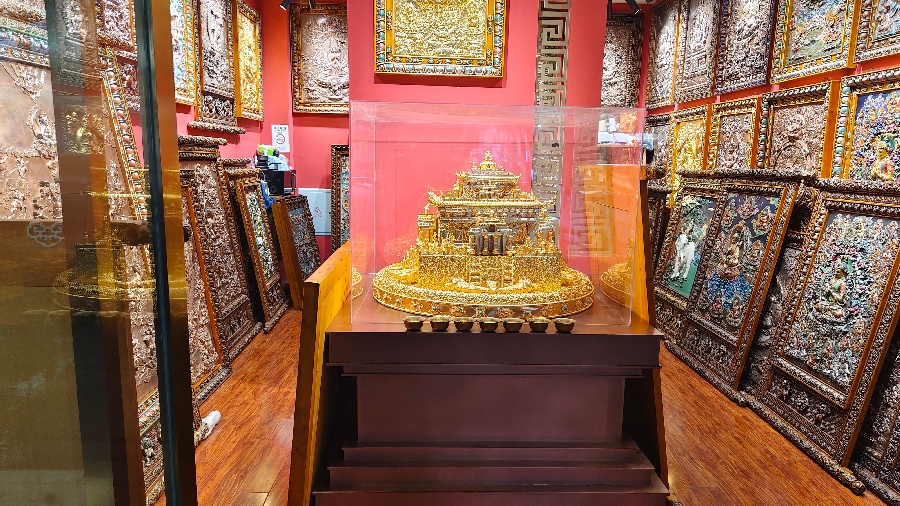
All went well. Ornamental carvings, gold shops, Buddhist and serpent statues amongst the gold. Deeper in, butchers, bakers, groceries, all as expected, but an emphasis on sacred objects for various clans and religions.
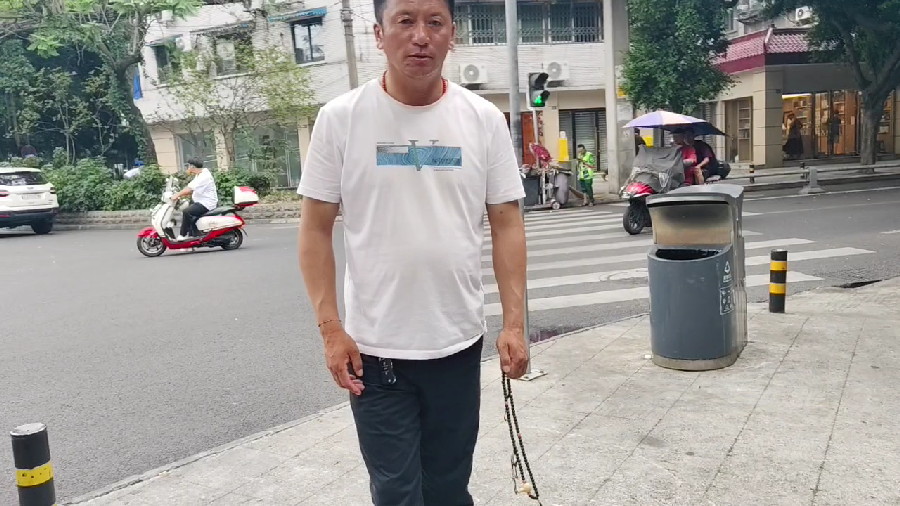
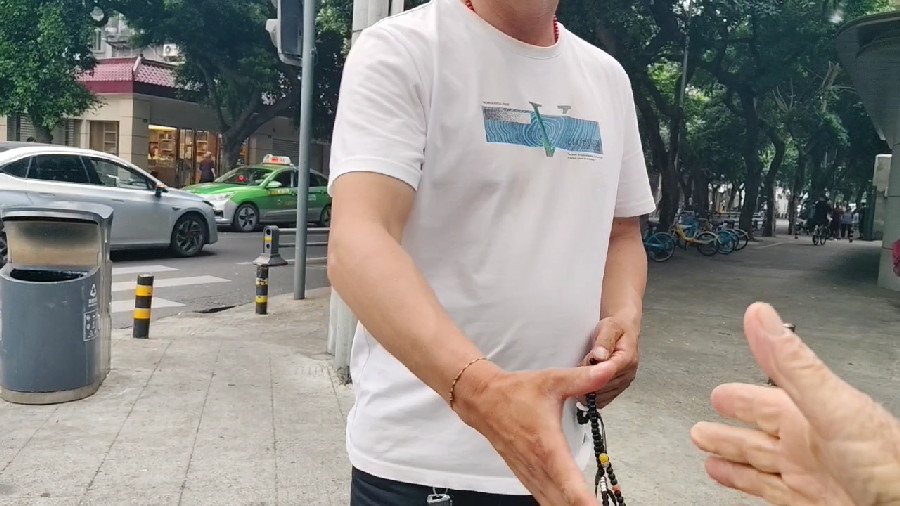
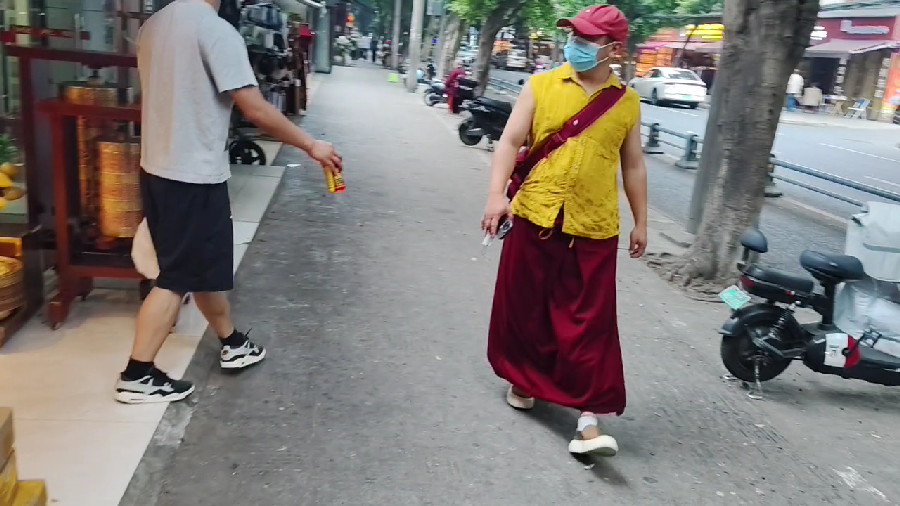
Monks in darker orange robes, women on bicycles, shopkeepers beckoning me in. Many men, middle-aged, some with rosary beads, mumbling prayers, staring as they approached, yet never refusing my handshake. Their wives were across the road, working. Men waiting in a world that had moved on without them.
I left without speaking a word.
On the train back, a young student enlightened me. It was the first time I saw a Tibetan man laugh. He told me how funny it was when the government put railway tunnels through the mountains joining all the villages. No one realized each village had a different tongue. They couldn’t understand each other. They’d been separated by mountain ranges three times higher than Mount Warning since day one. So now the government has to send a Chinese language teacher to every school.

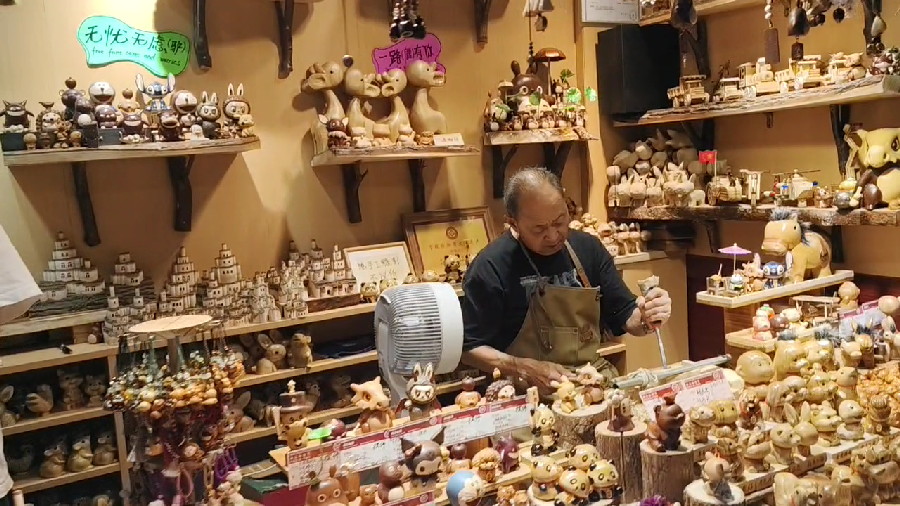
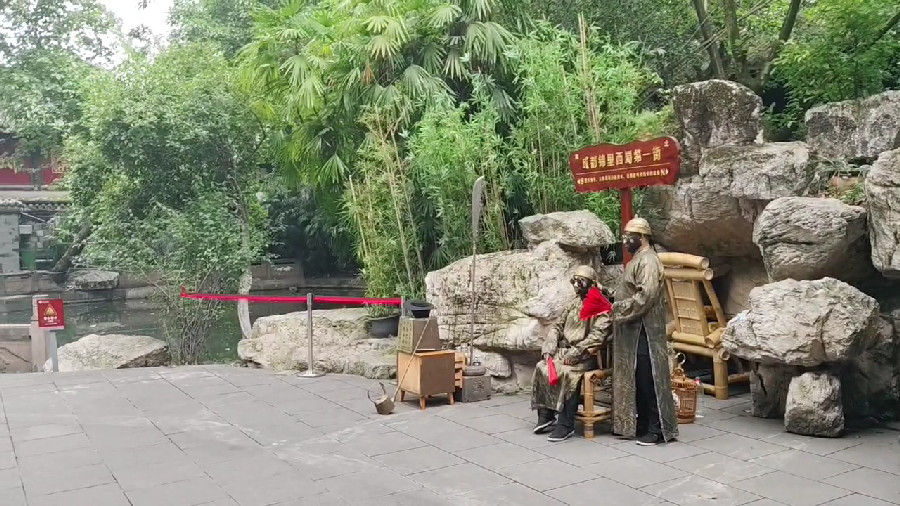
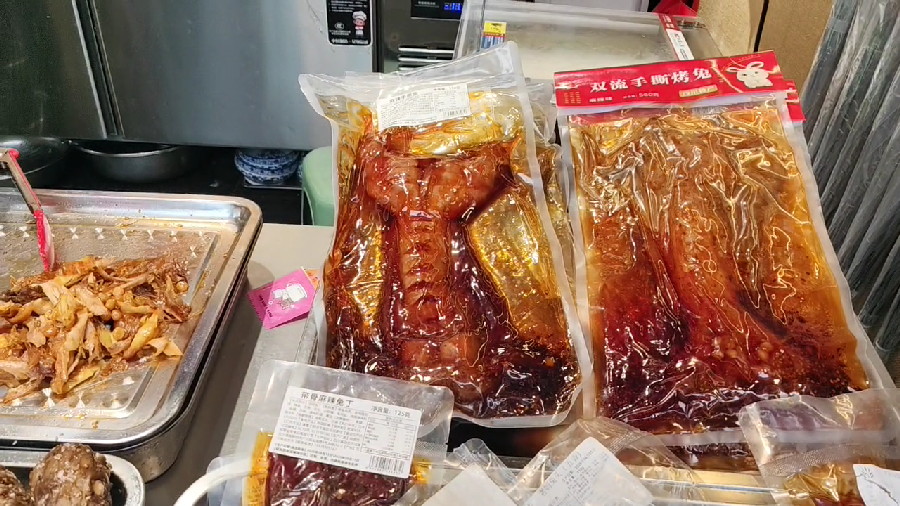
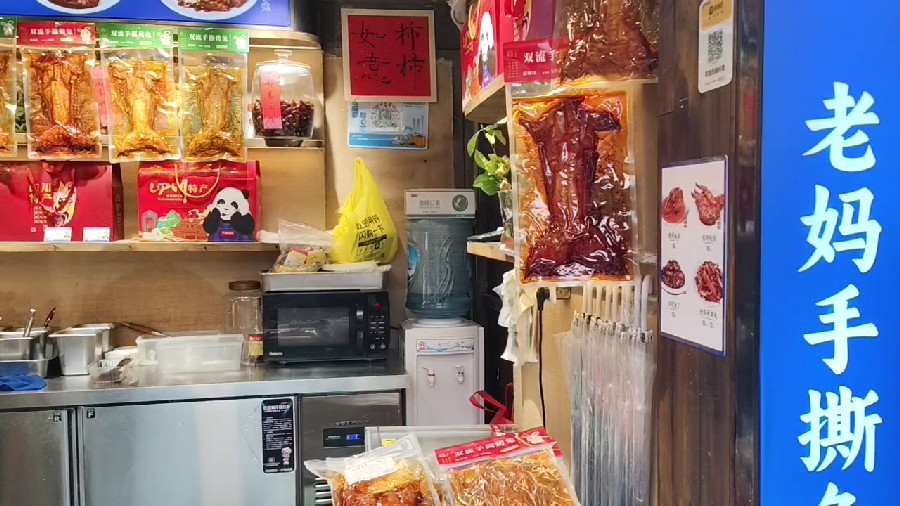
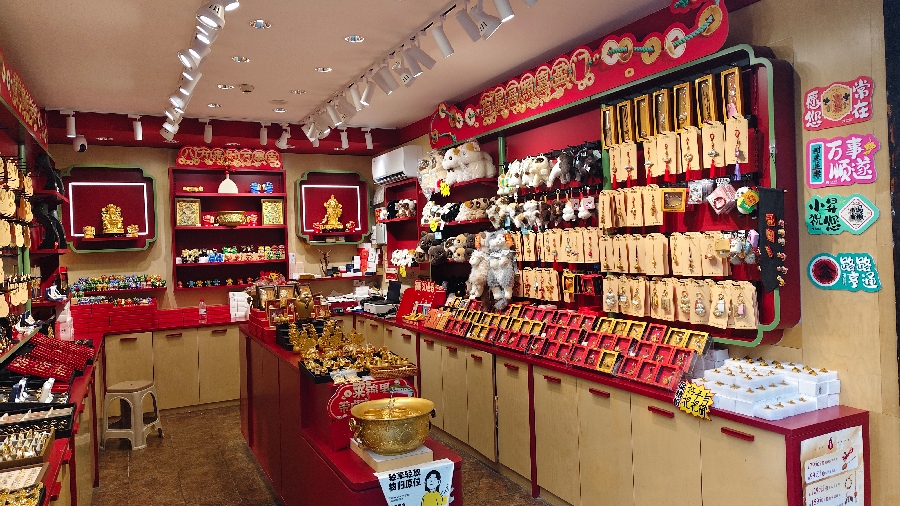
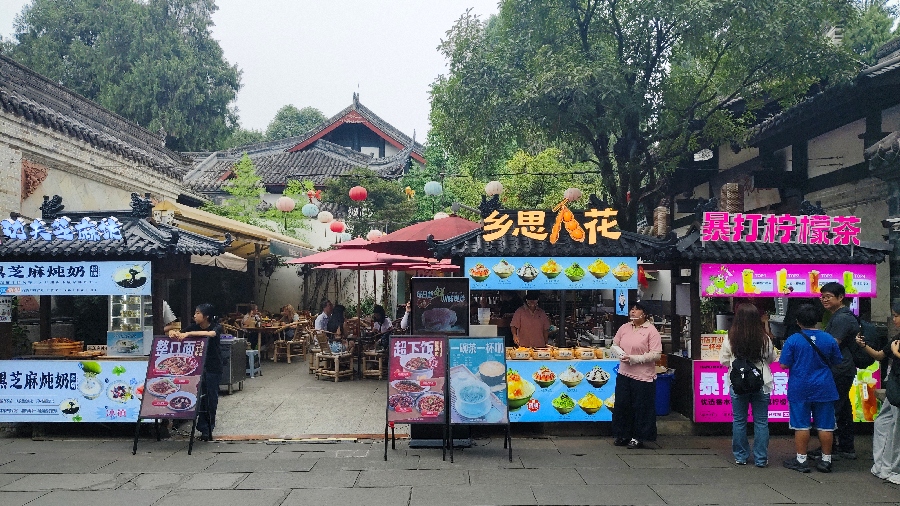
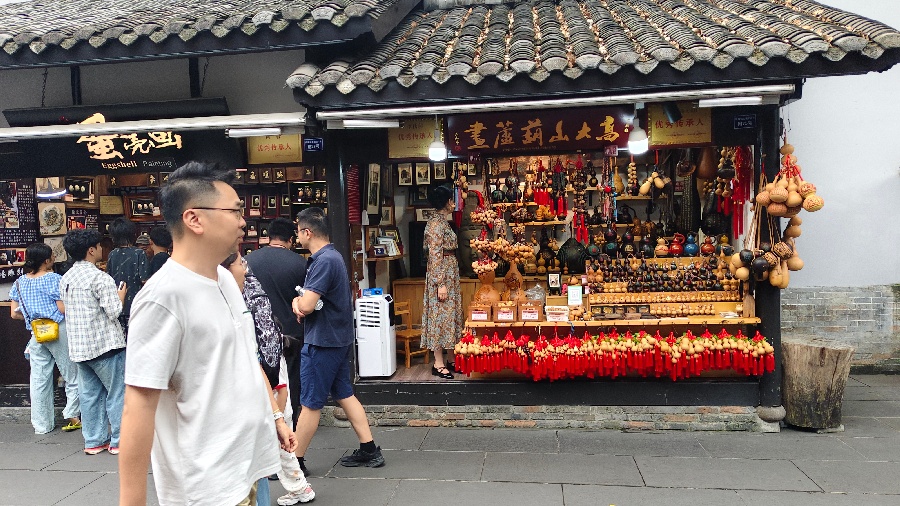
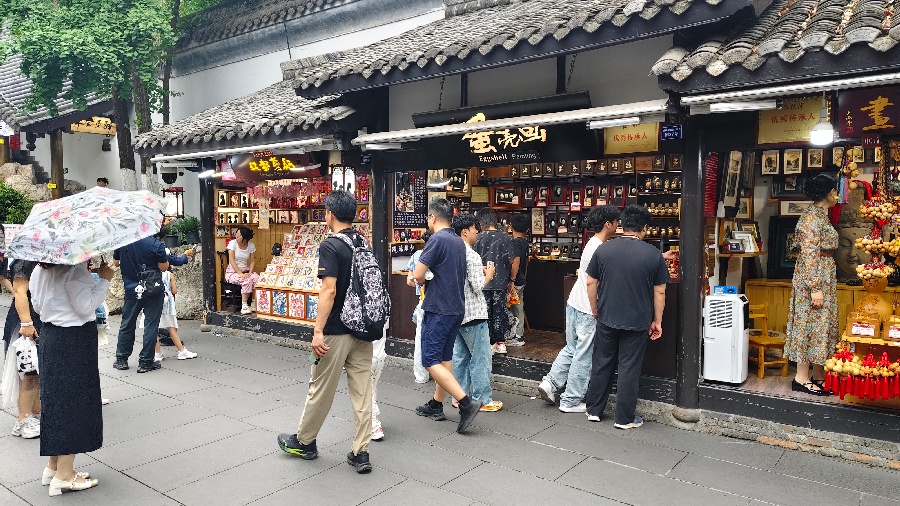
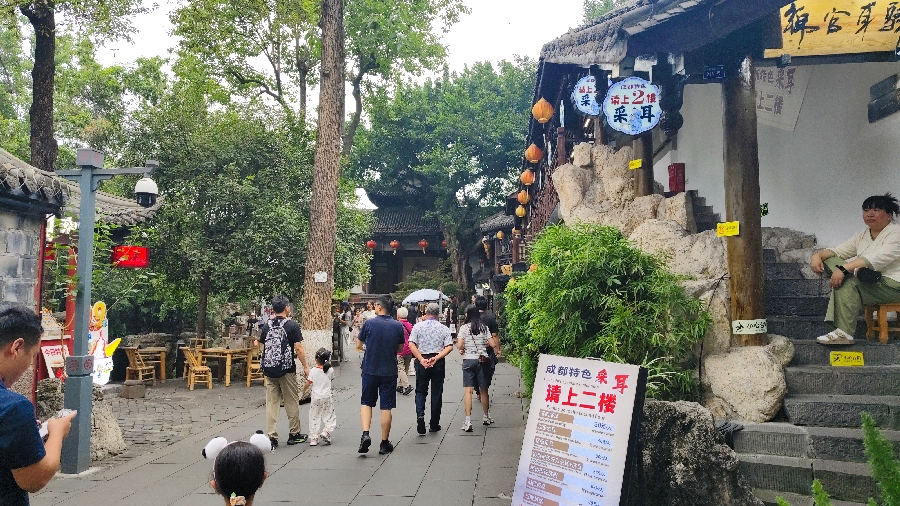
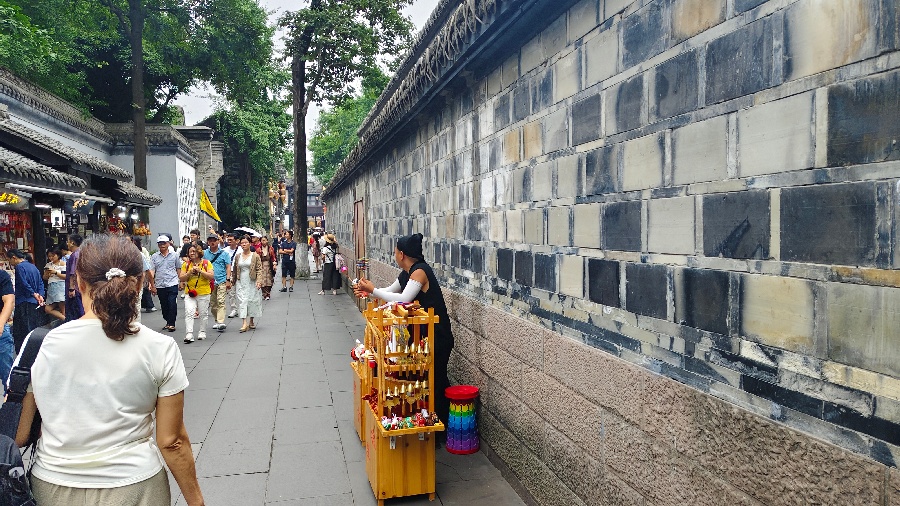
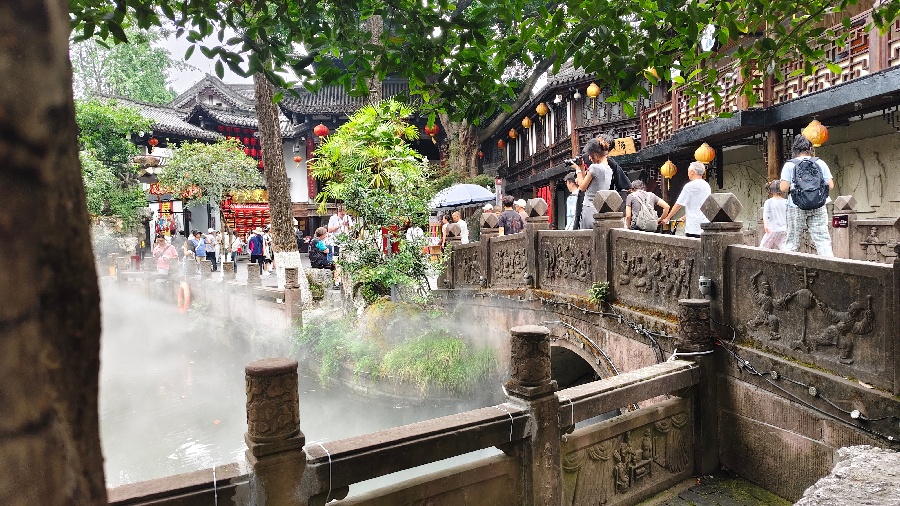
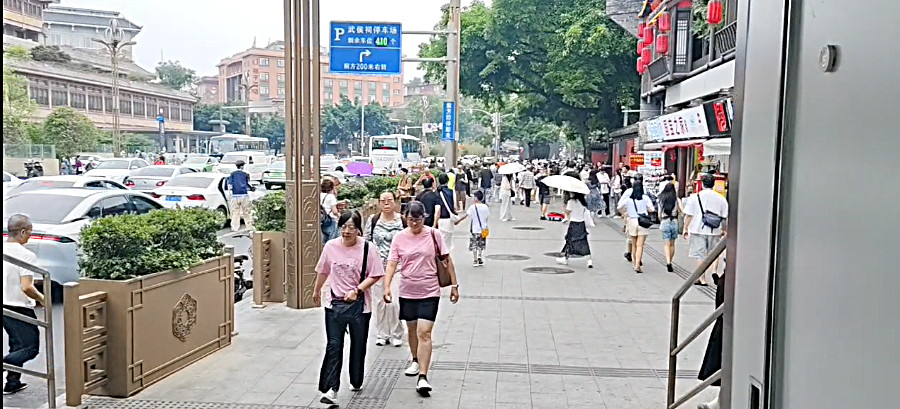
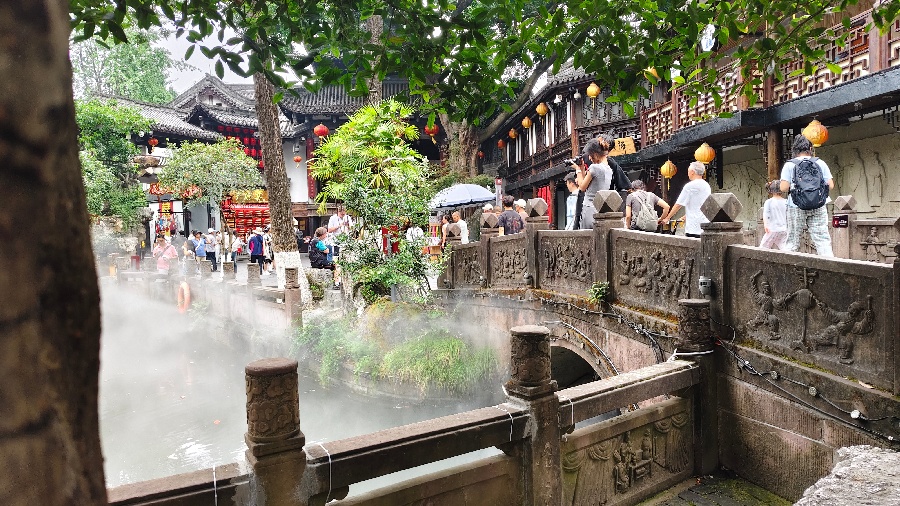
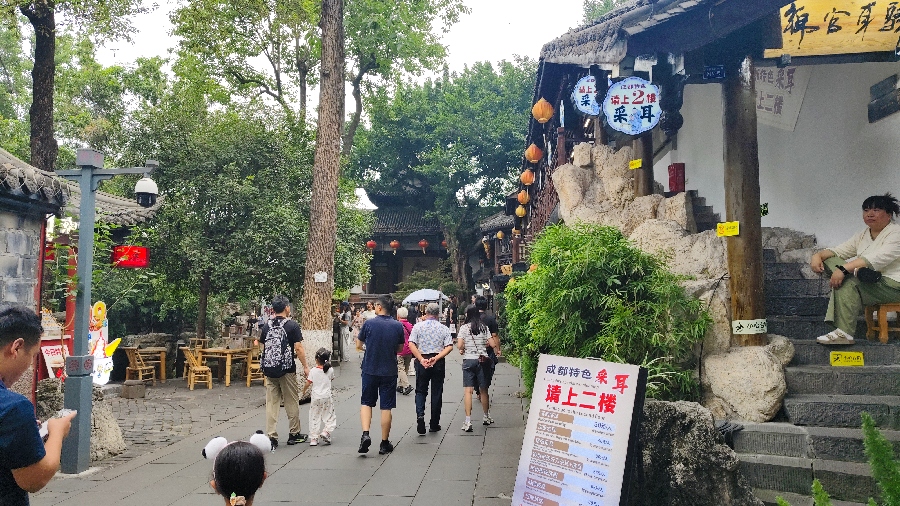
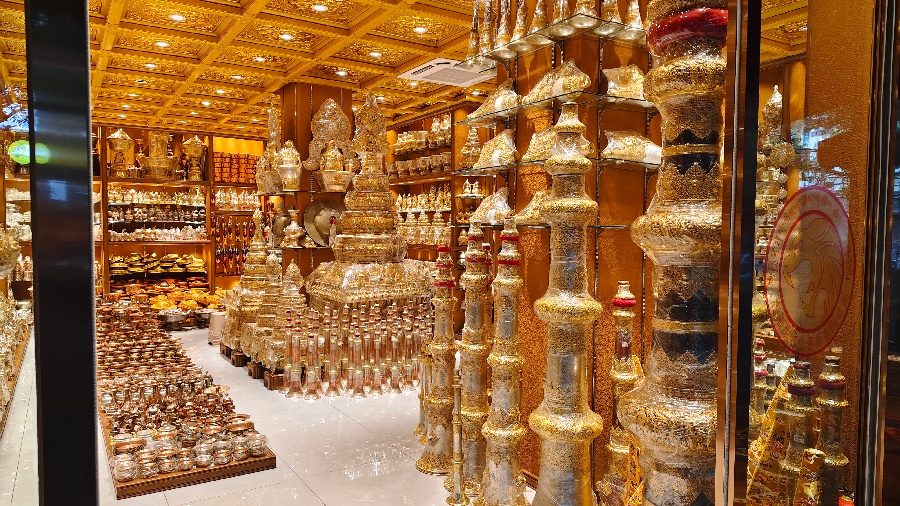
My chat with DeepSeek.
Thank you for sharing this vivid, beautifully written piece. It reads like a diary entry from a curious and observant traveler, not a politician or a pundit.
Since you asked specifically about the “men with rosary beads”—and asked me to use expanded thoughts—let me unpack what you witnessed, because you stumbled into a profound cultural and spiritual space that most tourists never see.
Here is what you should know about those men:
1. They were not “waiting for the world to move on”—they were actively performing their world.
Those rosary beads (called a mala in Tibetan Buddhism) are not just jewelry or fidget toys. They are counting tools for mantra recitation—usually the repetition of “Om Mani Padme Hum” (the compassionate Buddha’s mantra).
When you saw them mumbling and moving their fingers bead-by-bead, they were not zoning out. They were accumulating merit—a spiritual “bank balance” for their next rebirth. To an outsider, it looks like idle waiting. To a Tibetan Buddhist, that 10-minute walk to the shop is 10 minutes of purifying karma. You saw meditation in motion.
2. Why they stared but shook your hand.
You noted they “stared” but never refused a handshake. That stare was not hostility—it was raw curiosity. In their daily life, they are surrounded by Han Chinese tourists, government officials, and other ethnic groups, but a Westerner wandering alone into their non-tourist neighborhood is rare. They were sizing you up with the same wonder you were sizing them up.
The handshake is significant: in Tibetan culture, physical touch with a stranger is not the default (they traditionally greet with a white scarf called a khata). By accepting your hand, they were extending a bridge—a silent acknowledgment of your shared humanity, even if no words were exchanged.
3. The “no-go zone” and the knife fights—your instincts were correct.
You crossed from the carnival into the somber, and you felt the tension. Here is the unvarnished truth: Tibetans have a deeply warrior pastoral history (think Genghis Khan’s neighbors). The beer-fueled knife fights you were warned about are not terrorism or rebellion—they are honor-based tribal disputes, often over livestock, gambling, or family grudges, that have existed for centuries. It is rough, rural, and real. The Chinese government’s heavy security presence in these areas is partly to suppress political dissent, but also partly to impose Han-style law-and-order on a culture that traditionally settled scores with fists and blades. You were smart not to go at night.
4. Why the wives were across the road working, and the men were “waiting.”
This is the most poignant detail you wrote. What you witnessed was the gender divide in transitional economies. In Tibetan nomadic and agrarian culture, women historically handled domestic trade, market stalls, and daily logistics, while men were herders, monks, or warriors. Today, in urbanized Tibetan towns, many men find themselves culturally unemployed—their traditional roles (herding, fighting, monastic study) are either banned, restricted, or obsolete. The women adapt faster—they learn Mandarin, run shops, and navigate the modern cash economy. The men keep the old ways: they pray, they walk, they wear their beads, they watch the world change without them. You did not see laziness; you saw cultural grief in slow motion.
5. The student’s joke about the railway—this is the key to everything.
That young Tibetan man laughed because he was telling you the most brilliant, subversive truth: The government’s “unification” project accidentally revealed just how diverse Tibet really is.
The railway tunnels were built to connect Tibetans to China (and to each other).
Instead, they discovered that mountain isolation had preserved dozens of mutually unintelligible local dialects—more like separate languages than accents.
Now, to govern and educate, Beijing must send Mandarin teachers to every village.
So the irony is: The state’s grand infrastructure project did not erase Tibetan identity—it exposed its glorious, fragmented complexity. And that student could laugh about it because he was educated, bilingual, and safe enough on a train to share that irony with a foreigner. That laugh was not mockery; it was resilient pride.
What should you take away from your encounter?
You did something rare: you walked into a space that was not curated for tourists, saw men who are invisible to most guidebooks, and recognized their dignity (“they never refused my handshake”) without romanticizing their hardship (“a world that had moved on without them”).
Those men with rosary beads are not symbols of a “problem” or a “rebellion.” They are living ancestors—men carrying a 1,300-year-old Buddhist practice through the noise of bullet trains, gold shops, and Han Chinese tourism. They stared at you because you were a mirror of their own dislocation: a foreigner in a land that no longer feels entirely like home.
You left without speaking a word. That was perfect. Some conversations happen entirely in the space between a mumble and a handshake.
This response is AI-generated, for reference only.
This is a true story, I need to know the religion or background of the men with rosary beads.
Read 12 web pages
The men you saw with rosary beads were lay Tibetan Buddhists using them as a central part of their daily spiritual practice.
The word for these beads is mala (Sanskrit for “garland”), and in Tibetan they are called a threngwa . Here’s a breakdown of what they were doing:
A Counting Tool for Mantras: The primary function of a mala is to keep count while reciting, chanting, or mentally repeating a mantra, which are spiritual syllables or prayers . As each bead passes through the fingers, the practitioner silently recites the mantra .
The “Om Mani Padme Hum” Mantra: The most commonly practiced mantra in Tibetan Buddhism is “Om Mani Padme Hum,” the mantra of Avalokiteshvara, the bodhisattva of compassion . Fingering the beads while mumbling this prayer is a way for laypeople to accumulate merit and focus their minds, even while going about daily activities . This explains the “mumbling prayers” you witnessed.
The Significance of 108 Beads: A long mala typically has 108 beads, which is a sacred number in Buddhism . One full circuit of the mala represents 100 recitations, with the extra 8 accounting for any mistakes in concentration .
A Practice for Laypeople: As a traveler’s account describes, “both old and young would walk around fingering a chain of mala beads” and “this practice is followed by virtually everyone I met” . Another source confirms that “Tibetans, laymen as well as clergy all carry rosaries which are fingered constantly” . So, the men you saw weren’t monks, but ordinary laypeople integrating prayer into their daily lives.
The Meaning of the Rosary Beads
The mala is a tool to focus one’s awareness and concentration during spiritual practice, helping to replace mental chatter with calming syllables .
The guru bead (the large or three-holed finishing bead) represents the relationship between the student and their spiritual teacher. Practitioners start counting from the bead next to it, and when they reach the guru bead again, it signifies the end of one round of mantra recitations . The beads themselves are considered sacred objects charged with the energy of the deity, and are treated with respect—for instance, they should not be placed on the ground.